How to Descale an Electric Kettle
Disclosure: HomeVerdicts is reader-supported. We may earn a commission on qualifying purchases made through links on this page, at no extra cost to you. Product facts come from retail listings and manufacturer documentation, dated where cited. Full methodology: how we research.
Quick Answer
Fill the kettle with equal parts white vinegar and water, boil, then let it sit for 15 to 20 minutes. Pour it out, wipe away loosened scale, and rinse with two or three fresh boils. No vinegar? Dissolve 1 to 2 tablespoons of citric acid in a full kettle of hot water instead.
Why Kettles Scale Up
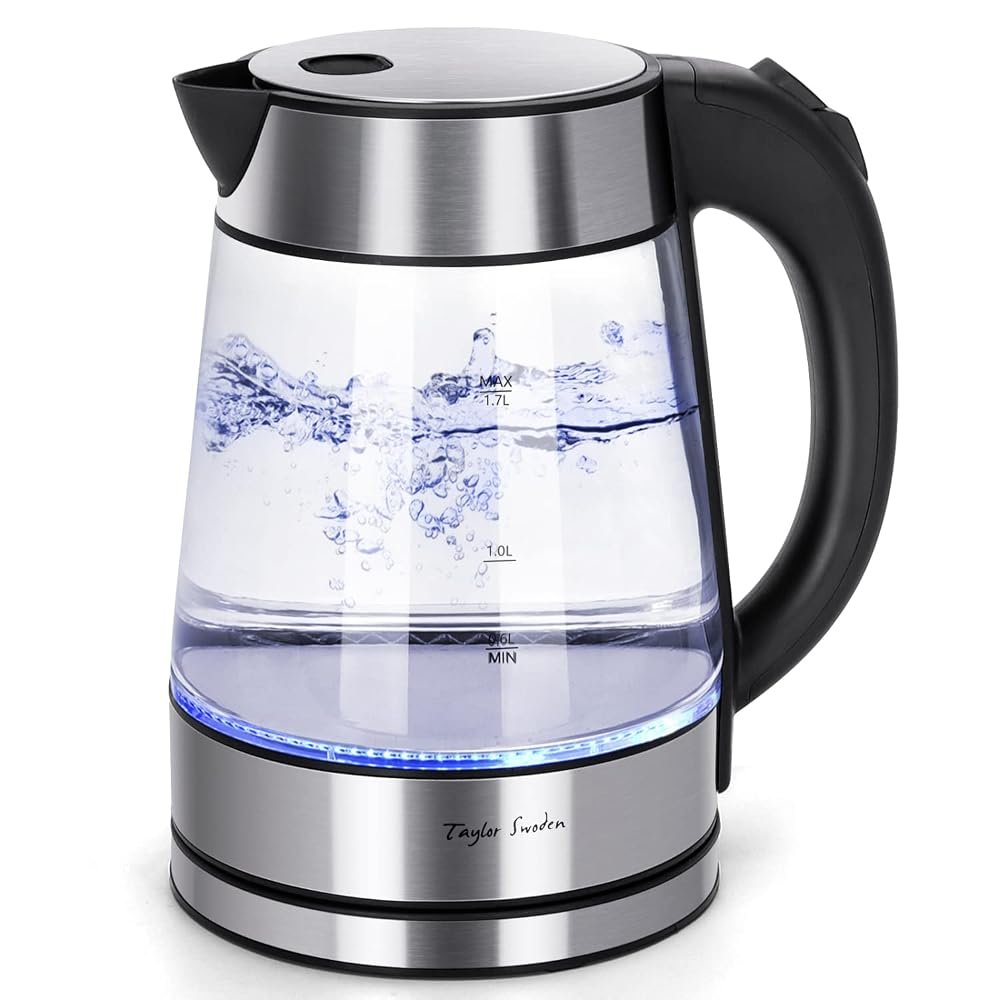
Limescale is calcium carbonate, the mineral residue hard water leaves behind each time it boils. It coats the kettle floor, slows heating, and flakes white bits into your tea. One fact explains every method on this page: acid dissolves carbonate scale, and nothing else really does. The methods below differ only in acid strength, smell, and which kettle interiors they suit.
What You Need
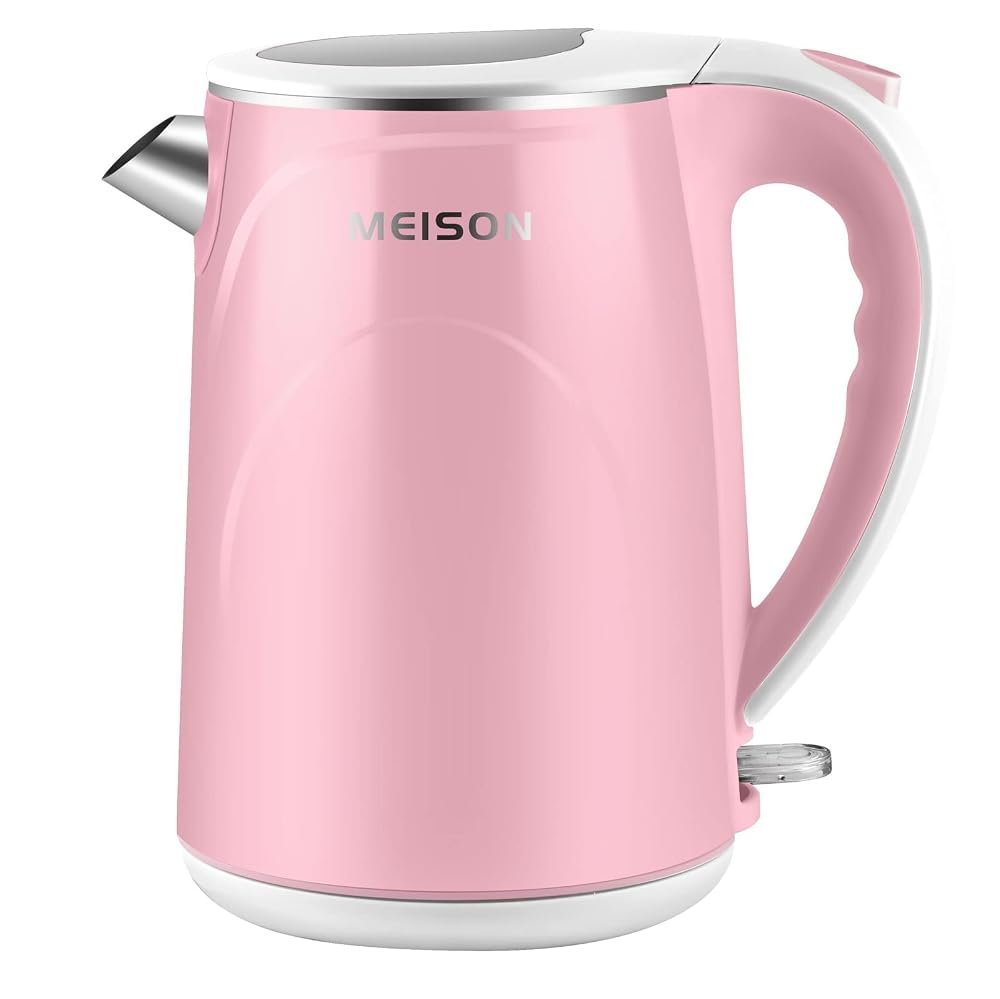
- White distilled vinegar, or citric acid powder, or a commercial descaler
- A soft sponge or non-abrasive brush
- Fresh water for rinse boils
If you would rather buy a ready-made product, these are the standout descalers from our research pull:
- De’Longhi EcoDecalk Universal Descaler (16.9 oz, 5 uses). 4.7★ across 162,700 ratings, July 2026; $15-20 as of July 2026. A universal descaler and the category leader by review count in our pull.
- Impresa Descaler 2-Pack (universal, 2 uses per bottle, made in the USA). 4.4★ across 88,600 ratings, July 2026; $15-20 as of July 2026. The most-purchased descaler in our pull over the past month.
- Ecozone Kettle & Iron Descaler (3 x 20 g sachets). 4.4★ across 12,600 ratings, July 2026; $5-10 as of July 2026. The only kettle-specific descaler in our research pull.
- Descaler Tablets, 24-count (universal). 4.6★ across 13,200 ratings, July 2026; $15-20 as of July 2026. Drop one in, boil, rinse; no measuring.
How to Descale an Electric Kettle: Step by Step
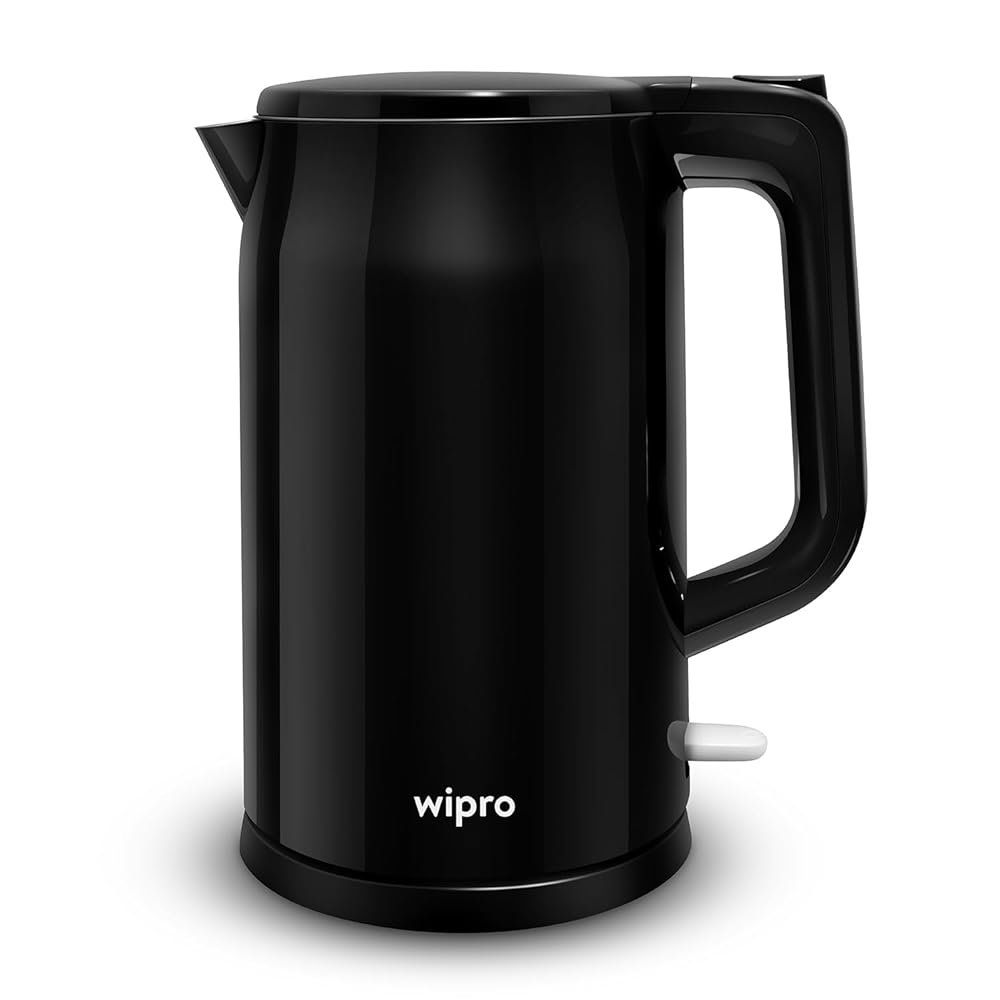
- Empty the kettle and unplug it.
- Mix your solution. Vinegar: equal parts white vinegar and water. Citric acid: 1 to 2 tablespoons per liter. Commercial product: follow the label.
- Fill to the maximum line with the solution, then bring it to a boil.
- Let it sit for 15 to 20 minutes with the kettle switched off. For thick, crusty buildup, extend the soak to 30 minutes.
- Pour it out and wipe. Loosened scale should come away with a soft sponge. Never scrub the interior with steel wool or abrasive powder.
- Rinse with fresh boils. Boil clean water and discard, two or three times, until no taste or odor remains.
Match the Method to Your Kettle’s Interior Material
Here is what almost every guide skips: whether the standard vinegar method suits your kettle depends on what the inside is made of. We checked the interior materials of the eight most-reviewed kettles in our research pull against their listings and manufacturer pages. This is what the sources say.
| Interior material | Models in our pull | Safe method | Notes |
|---|---|---|---|
| Borosilicate glass | Cosori Electric Glass Tea Kettle 1.7 L (glass confirmed by both Amazon and Cosori); OVENTE KG83P 1.5 L (borosilicate per its Amazon listing) | Vinegar or citric acid | Glass is non-porous, so neither acid lingers or absorbs. The Cosori listing states no plastic touches the water, and its wide mouth (both sources) makes wiping easy. |
| Glass sides with stainless steel accents | Hamilton Beach 40930 1.0 L (per Hamilton Beach; the Amazon title says simply “Glass”) | Vinegar or citric acid | Wide opening for cleaning, per Hamilton Beach. Its mesh filter is built in, not removable, so descale it in place. |
| Glass carafe | Amazon Basics 1.7 L glass carafe kettle (per the Amazon listing) | Vinegar or citric acid | Same non-porous logic as the other glass models. |
| Stainless steel | Amazon Basics 1.0 L (Amazon listing); Hamilton Beach 40880 1.7 L (both sources); Cosori CO108-NK gooseneck 0.8 L (stainless kettle, spout, and lid, both sources) | Vinegar or citric acid | Stainless is non-reactive at descaling concentrations; just rinse promptly. Per Hamilton Beach, the 40880 has a concealed heating element: a flat interior floor with no exposed coil to work around. |
| Not stated | OVENTE KP72 series 1.7 L (the Amazon listing says “BPA Free” but never names the interior material; no other source found) | Citric acid, shorter soak | With the material unconfirmed, use the milder citric method with a shorter soak instead of a long vinegar bath, and rinse well. |
Gooseneck kettles need one extra step. The Cosori CO108-NK has a narrow gooseneck spout with no filter mentioned in either source, so solution sits inside the spout where you cannot see or wipe it. Pour part of each rinse boil out through the spout, and run at least three rinse cycles before brewing.
Filters count too. The OVENTE KP72 has a removable filter and the KG83P a removable, washable spout filter, per their Amazon listings. Soak removable filters in the same solution; a scaled filter puts flakes straight in your cup.
No Vinegar? Your Alternatives, Ranked
- Citric acid powder. The strongest pantry option: odorless, cheap, easy to dose at 1 to 2 tablespoons per liter, and the best choice for plastic or unknown interiors since no vinegar smell hangs around.
- A commercial descaler. Pre-formulated acid blends like De’Longhi EcoDecalk Universal Descaler or the Ecozone Kettle & Iron Descaler sachets take out the guesswork; Ecozone is the only kettle-specific descaler in our research pull.
- Lemon juice. It works because lemons contain citric acid, but concentration varies fruit to fruit, so it is slower and less predictable than measured powder. Slice a lemon in, boil, and soak.
- Baking soda: mostly a myth. Baking soda is alkaline, and carbonate scale only dissolves in acid. It can help with odors and loose grime, but it will not shift bonded limescale.
How Often Should You Descale an Electric Kettle?
There is no universal standard, so treat this as a practical starting point and adjust to what you see inside the kettle:
| Your water | Sensible starting frequency |
|---|---|
| Hard water, daily use | Monthly, or as soon as white deposits appear |
| Moderately hard water | Every 1 to 2 months |
| Soft or filtered water | Every 2 to 3 months, or when a film appears |
The only manufacturer guidance in our research pull is stricter than any of that: Cosori’s FAQ for the CO108-NK gooseneck recommends descaling “at least once a week” with frequent use. Narrow-spout kettles earn that caution: spout scale you cannot see affects pour and taste before the kettle floor looks bad.
Troubleshooting: If Scale Still Will Not Shift
- Repeat before you escalate. Two back-to-back standard treatments beat one aggressive marathon soak.
- Increase contact time, then concentration. Let the solution cool in the kettle for an hour before pouring; if that fails, step up from vinegar to citric acid or a commercial descaler.
- Spot-treat stubborn patches. Soak a paper towel in your solution and press it against scale above the water line.
- Check whether it is even scale. If a cloudy white haze survives a full descale, mineral buildup may have etched the surface. Etching is permanent but cosmetic; it does not flake into water like scale.
Mistakes to Avoid
- Scrubbing with abrasives. Steel wool and scouring powder scratch interior surfaces, and scratches give new scale more grip.
- Long acid soaks in unknown-material kettles. If the listing does not name the interior material, as with the OVENTE KP72 series, keep soaks short and mild.
- Submerging the base. The powered base and exterior electrics are wipe-only. Descaling happens inside the kettle, unplugged.
- Under-rinsing. One rinse boil is not enough; two or three fresh boils clear residual taste.
- Ignoring the filter. A scaled-up spout filter undoes a clean kettle.
Prevention: Make Descaling Rare
Empty the kettle after each use instead of letting leftover water evaporate; scale forms as mineral-heavy water dries against hot metal or glass. Filtered water cuts the mineral load before it ever becomes scale.
When to Replace Instead of Descale
Descaling fixes mineral buildup, not a worn-out kettle. If the interior is pitted or etched, if scale returns within days, or if the kettle struggles after a full descale and rinse, replacement is the honest answer. But look at the water first. If your tap re-scales a clean kettle within a week, you are treating symptoms, and filtration changes the math for every appliance in your kitchen that touches water. Start with our guide to the best water purifiers.
FAQ
How do you remove limescale from an electric kettle?
Dissolve it with a mild acid. Boil equal parts white vinegar and water, or 1 to 2 tablespoons of citric acid per liter, sit 15 to 20 minutes, then rinse with two or three fresh boils.
What can I use to descale an electric kettle?
White vinegar, citric acid powder, lemon juice, or a commercial descaler such as De’Longhi EcoDecalk Universal Descaler or Impresa Descaler 2-Pack. Baking soda does not work on limescale because it is not an acid.
What’s the easiest way to descale a kettle?
A pre-dosed product: Descaler Tablets, 24-count or Ecozone Kettle & Iron Descaler sachets need no measuring. If you would rather use the pantry, the equal-parts vinegar boil is nearly as easy.
Can I use vinegar to descale my electric kettle?
Yes for glass and stainless steel interiors, which cover most popular models. If the material is not stated, or the interior is plastic, use citric acid with a shorter soak, and rinse until no taste remains.
What removes 100% limescale?
Any acid strong enough, given enough contact time, will eventually dissolve carbonate scale completely; repeat treatments get there more safely than one harsh soak. Nothing removes it permanently, because scale re-forms whenever hard water boils. A white haze that survives a full descale is surface etching, which no product removes.
What is a simple trick to remove limescale from an electric kettle?
The “trick” is just chemistry plus patience: boil equal parts vinegar and water, walk away for 15 to 20 minutes, rinse. The only simpler route is a single-dose descaler tablet or sachet.
Kettle sorted? If you are on a kitchen maintenance streak, our guide on how to clean an air fryer is the natural next stop.